
Why focus on protein?
Protein plays an important role in everyday nutrition: it supports muscle maintenance, helps keep you feeling full, and is used to build and repair tissues. For many people, making protein a priority at each meal improves satiety and can simplify portion control. This article gives practical, evidence-aware guidance for planning high-protein meals you can stick to consistently.
How much protein to aim for (practical ranges)
Protein needs vary by age, activity level, and goals. Practical per-meal and daily ranges many people use:
- General maintenance: about 0.8–1.0 grams per kilogram body weight per day (0.36–0.45 g/lb).
- Active or strength-training individuals: roughly 1.2–2.0 g/kg/day (0.54–0.9 g/lb).
Instead of precise math for every day, aim to include a moderate portion of protein at each meal and a smaller portion at snacks. A simple per-meal target many find workable is 20–40 grams of protein for most adults — adjust upward if you are larger or training intensively.
Building meals with a protein-first template
Use this flexible plate model to build meals quickly:
- Protein (25–40% of plate): choose a lean animal source, higher-protein plant source, or dairy/egg option.
- Vegetables and/or salad (25–40%): non-starchy vegetables for volume and fiber.
- Whole grains or starchy veg (10–30%): fuel and micronutrients as needed.
- Healthy fats (small amount): oil, avocado, nuts, or seeds for flavor and satiety.
Examples:
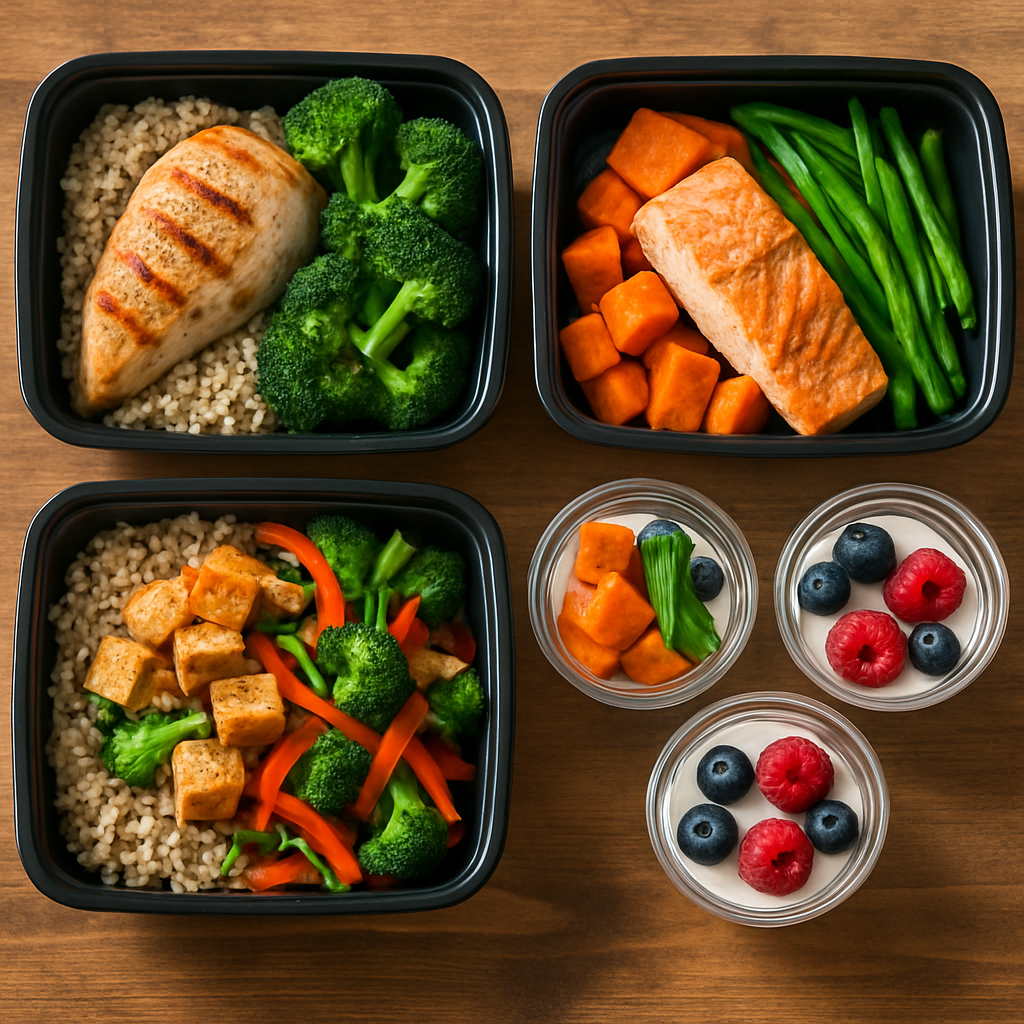
- Grilled chicken breast + roasted broccoli + quinoa + a drizzle of olive oil.
- Salmon fillet + mixed greens + sweet potato + lemon-tahini dressing.
- Tofu stir-fry + mixed vegetables + brown rice + sesame oil.
High-protein food choices (portable and everyday)
Animal-based sources (concentrated protein per serving):
- Chicken breast (about 25–30 g per 3–4 oz/85–115 g cooked)
- Lean beef or pork (similar range per portion)
- Fish/seafood (20–25 g per 3–4 oz)
- Eggs (6–7 g per large egg)
- Greek yogurt and skyr (15–20 g per 6 oz/170 g)
- Cottage cheese (14 g per 1/2 cup/113 g)
Plant-based sources (combine thoughtfully for complete protein):
- Tofu/tempeh (10–20 g per serving depending on firmness and portion)
- Legumes: lentils, chickpeas, black beans (7–9 g per 1/2 cup cooked)
- Edamame (8–11 g per 1/2 cup shelled)
- Seitan (up to 20 g per 3 oz depending on brand)
- High-protein grains: quinoa (4–5 g per 1/2 cup cooked)
- Nuts and seeds: concentrated but calorie-dense; good for snacks or toppings.
Protein powders and fortified products can help reach targets on busy days but are optional.
Weekly planning and batch-cooking strategies
- Pick 2–3 proteins for the week. Cook larger batches (e.g., roast a tray of chicken, bake tofu, or simmer a pot of lentils).
- Prepare a few versatile bases: a large batch of quinoa, roasted vegetables, or a salad mix that stores well.
- Portion into containers for 3–4 lunches or freeze in single-meal servings for later.
- Use simple flavor boosts: marinades, spice rubs, or a few ready-made sauces to keep meals interesting without extra cooking time.
Batch-cooking example week:
- Sunday: Bake 6 chicken breasts (seasoned differently for variety), roast mixed vegetables, cook brown rice.
- Midweek: Use chicken in salads, wraps, and grain bowls; combine roasted vegetables with eggs or tofu for quick dinners.
High-protein snack ideas
Including protein at snacks helps keep blood sugar stable and reduces overeating later. Quick options:
- Greek yogurt with berries and a sprinkle of nuts.
- Hard-boiled eggs and carrot sticks.
- Cottage cheese with pineapple or cucumber and pepper.
- Hummus with sliced bell peppers and whole-grain crackers.
- A small portion of mixed nuts with an apple.
Budget-friendly tips
- Buy whole chickens, larger meat cuts, or frozen fish when on sale and portion at home.
- Use canned beans and lentils — they’re inexpensive, shelf-stable, and high in protein.
- Compare unit prices for tofu, tempeh, and seitan; homemade lentil patties or chickpea “tuna” are cost-effective.
- Eggs and dairy (milk, yogurt, cottage cheese) often provide the most protein per dollar.
Tracking protein without overcomplicating
You don’t need to log every gram to see benefits. Try these low-effort approaches:
- Aim to include a protein source at every meal and snack.
- Use visual portion cues: a palm-sized portion of meat/fish or two palms for larger needs, a cupped hand of beans, or a fist of yogurt.
- When tracking, focus on a few typical meals and snacks to estimate an average daily intake rather than daily precision.
If you prefer numbers, use a simple app or table to record a week of food and calculate an average. That helps you decide whether to increase per-meal protein.
Common pitfalls and how to avoid them
- Overemphasizing protein at the expense of vegetables or fiber: balance matters for gut health and nutrient variety.
- Relying only on expensive specialty products: whole foods like eggs, legumes, and canned fish are affordable and effective.
- Ignoring variety: rotate protein sources to cover different micronutrients and keep meals enjoyable.
Quick sample day (about 90–120 g protein depending on portions)
- Breakfast: 2 eggs scrambled + 1/2 cup cottage cheese + spinach and tomato. (approx. 25–30 g)
- Snack: Greek yogurt (6 oz) with a handful of almonds. (15–20 g)
- Lunch: Grilled chicken breast (4 oz) + quinoa + mixed salad. (30–35 g)
- Snack: Edamame or hummus with veggies. (8–12 g)
- Dinner: Salmon fillet (4–5 oz) + roasted broccoli + sweet potato. (25–35 g)
Adjust portion sizes to match your needs and activity level.
Final practical takeaways
- Make protein a consistent part of every meal and snack using a simple plate template.
- Batch-cook 2–3 protein sources and versatile bases to save time.
- Choose a mix of animal and plant proteins for variety and nutrients, and use visual portion cues if you don’t want to track grams.
Small, consistent changes in how you plan meals often have the biggest impact on daily protein intake and overall meal satisfaction. Start with one extra protein-rich meal or snack per day and build from there.