
Start with a calorie target
Use a realistic daily estimate as a planning boundary rather than choosing meals without context.
Calkilo Guide
An AI meal planner is most useful when it connects future meals to what you actually log. Calkilo combines calorie and macro tracking with personalized meal-planning support so users can adjust the next meal instead of only reviewing the past.
Use a realistic daily estimate as a planning boundary rather than choosing meals without context.
Meal suggestions should account for goals, dietary preferences, restrictions, and foods you can realistically prepare.
Photo logging and daily macro totals make it easier to change later meals when the day does not follow the original plan.
From food photo to daily record
A clear photo starts the analysis. Calkilo returns an editable estimate so you can review the portion, account for sauces or hidden ingredients, and keep a more useful nutrition record.
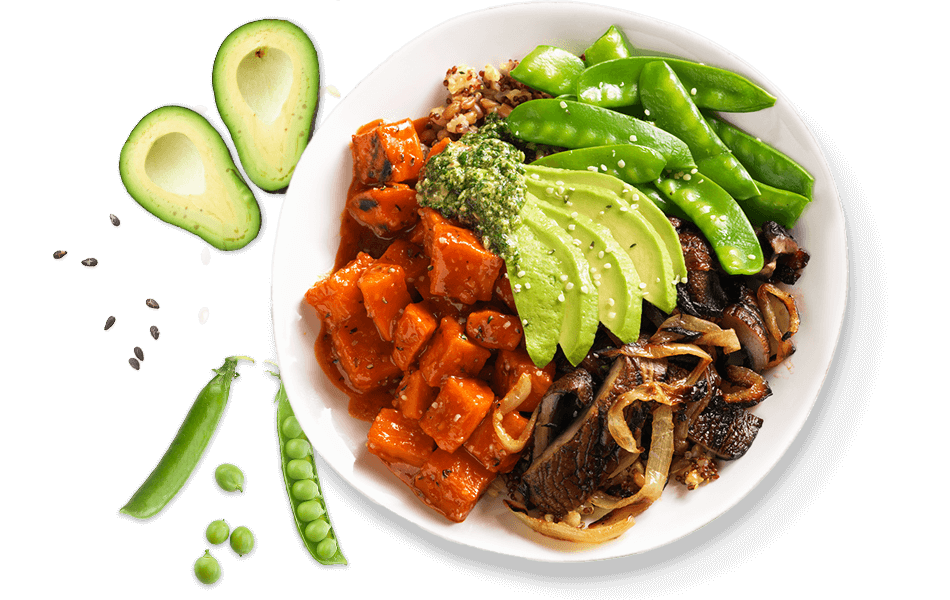
A useful planner should turn a calorie target into meals that fit a person’s preferences and schedule. It should also make the plan easy to revise because real days rarely match a fixed template.
The strongest workflow joins planning and tracking. When breakfast or lunch differs from the plan, the app can help the user understand what remains for calories and macros instead of treating the day as failed.
Calkilo is positioned as both an AI calorie tracker and a meal-planning assistant. Users can estimate meals from photos, keep a daily nutrition record, and use goal-aware planning support for future choices.
This matters for weight loss because the plan is only useful when it stays connected to actual intake. A fast logging workflow gives the planner more practical context than a plan that lives separately from the food diary.
A sustainable plan should leave room for adequate protein, fiber-rich foods, enjoyable meals, sleep, activity, and adherence. Aggressive targets can make a plan difficult to follow and may be inappropriate for a person’s health needs.
Use the calorie calculator as an estimate and seek qualified medical or nutrition advice for pregnancy, eating disorders, chronic conditions, medication-related needs, or prescribed therapeutic diets.
Set a realistic goal, review the suggested plan, log meals as they happen, and use the remaining calorie and macro context to adjust later choices. Review trends across weeks instead of reacting to one meal or one day.
It can help organize meals around calorie and nutrition goals, but it should be treated as planning support rather than a medical prescription.
Yes. Calkilo presents meal planning, photo calorie estimates, daily logs, and macro tracking as parts of the same app workflow.
No. A practical plan should allow substitutions and changes based on hunger, schedule, available food, preferences, and professional guidance.
Use the Calkilo daily calorie calculator as a starting estimate, then monitor progress and adjust gradually. Individual medical needs require professional advice.