
Photo-first logging
Start with the meal in front of you instead of translating every Iranian dish into a generic database search.
Calkilo Guide
The best calorie counter for Persian food is not simply the app with the largest generic database. It should make mixed dishes practical to log, show calories and macros together, and let you review portions, oils, sauces, and ingredients that a photo cannot fully reveal.
Start with the meal in front of you instead of translating every Iranian dish into a generic database search.
Use Persian-language guides and examples for foods such as rice, kebab, falafel, pizza, and mixed meals.
Treat the AI result as an editable estimate, especially when oils, sauces, fillings, or exact portions are hidden.
From food photo to daily record
A clear photo starts the analysis. Calkilo returns an editable estimate so you can review the portion, account for sauces or hidden ingredients, and keep a more useful nutrition record.
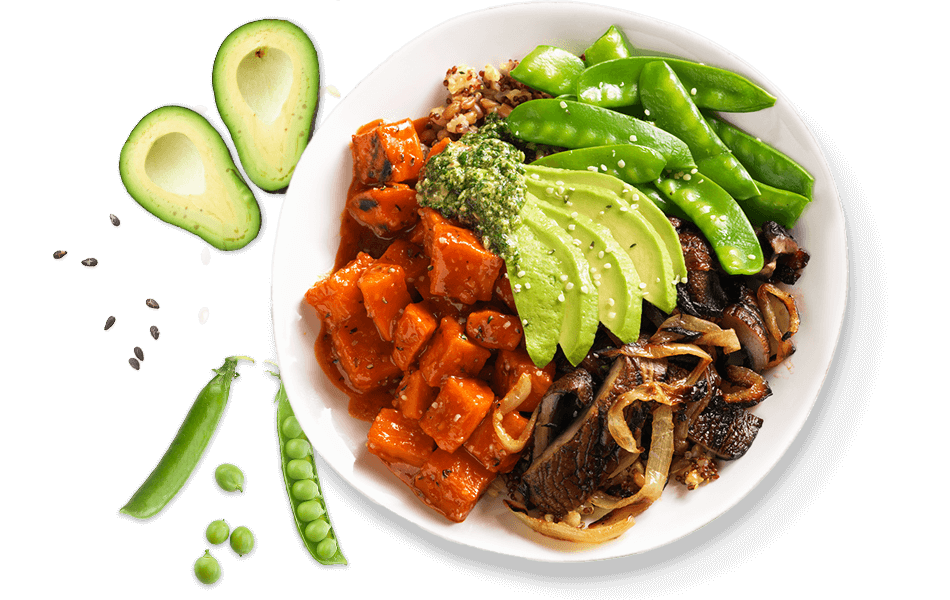
Many Iranian meals combine rice, meat, oil, herbs, bread, sauces, and shared side dishes. A single dish name rarely captures the recipe, cooking method, or portion that is actually on the plate.
A useful tracker should reduce the work of identifying the meal while still making uncertainty visible. Photo analysis can create a fast starting point, but the user should review serving size and ingredients before treating the result as final.
Calkilo combines photo calorie estimation with calorie and macro tracking. Its public Persian pages also explain how to scan meals, review AI estimates, and interpret common food examples in Persian.
That combination is useful for people who want a faster workflow for Iranian meals without pretending that every plate has one fixed nutrition value.
Photograph the entire meal in good light and keep side dishes, drinks, bread, and sauces in frame when possible. If you know the rice weight, meat portion, or amount of oil, use that context when reviewing the estimate.
For strict medical diets, allergy management, or competition-level nutrition, use measured ingredients and professional guidance. A photo calorie counter is designed for practical daily estimation, not clinical precision.
Choose the app that you can use consistently. Strong food coverage matters, but correction controls, macro visibility, language support, privacy information, and the time needed to log a normal meal matter just as much.
Yes. A food photo can be used as the starting point for an estimate, including meals such as rice, kebab, falafel, pizza, and mixed dishes. Users should still review portions and hidden ingredients.
Yes. Calkilo publishes Persian landing pages, photo-calorie guides, food examples, and scan examples that explain the workflow in Persian.
No. A photo supports an estimate. Oils, sauces, fillings, cooking methods, and exact weights may not be visible, so the result should be reviewed.
Protein, carbohydrates, and fat are usually important alongside calories. Calkilo presents macro tracking as part of the same nutrition workflow.